Replacing Bulbs Is Not Diagnosis
Replacing parts without understanding failure modes is not a repair — it’s a ritual.
Cleaned out my tool bag today, I found this old pigtail connector from my van’s low intensity head-light circuit.
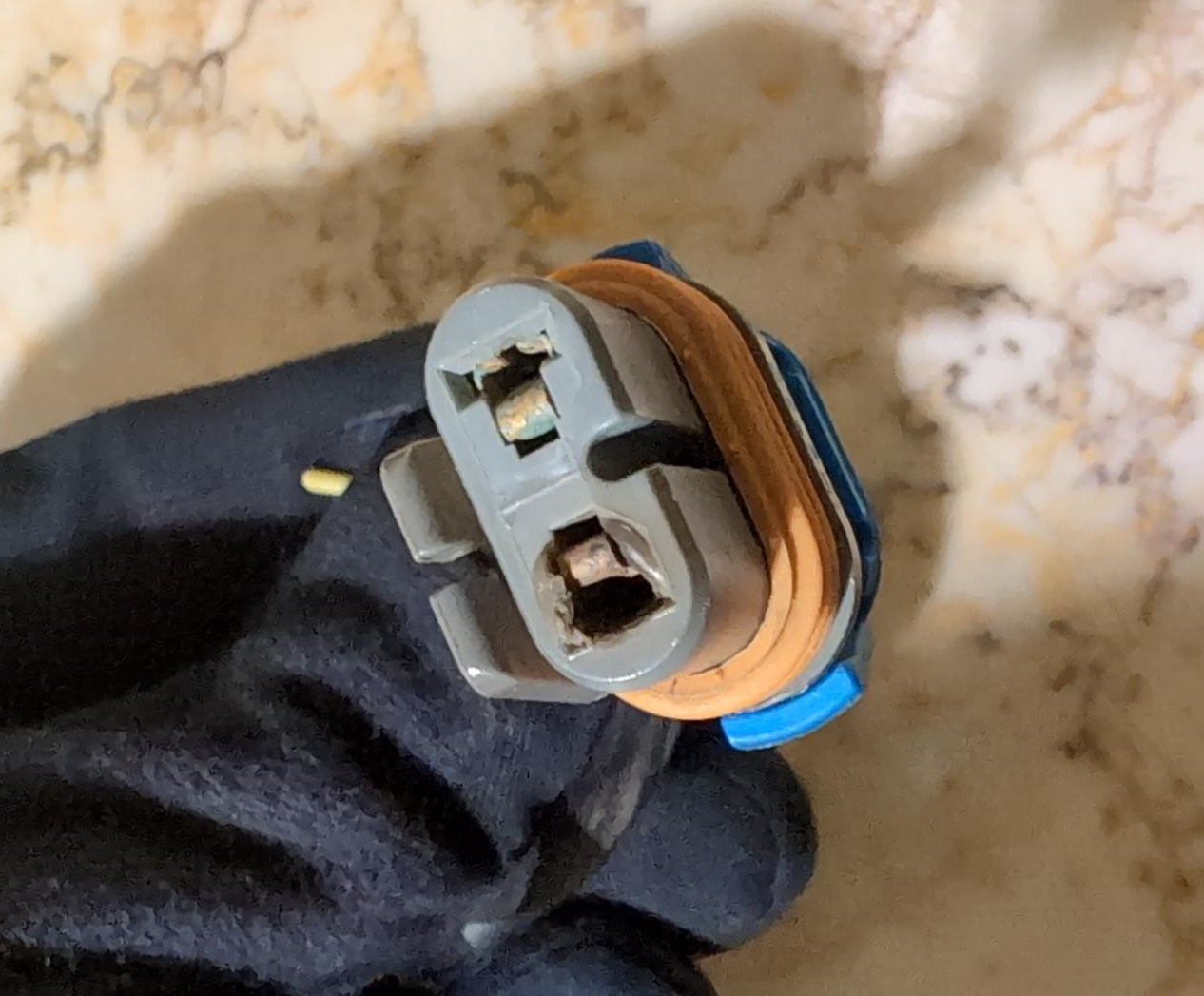
Notice the telltale signs of a short: the is plastic melted, and there’s a noticeable carbon buildup. This turned out to be the actual root cause of a headlight failure that wasted an absurd amount of time.
Here’s how it transpired.
The headlight went out. I pulled the headlight assembly out in an O’Rielly’s parking lot, but the bulb was seized in the housing — old van problems. I walked inside, bought a replacement headlight assembly, swapped it in… and the new bulb didn’t work either.
At this point I slowed down.
I re-read some of my automotive reference material, watched a few videos, and sanity checked my thinking with ChatGPT. Next step: measure current. I used my multimeter’s DC current clamp so I wouldn’t have to pierce insulation or back-probe connectors.
As I wiggled the harness, the current repeatedly dropped to zero.
That’s not a dead bulb — that’s an intermittent connection or short. I worked my way down the wiring and sure enough, the failure was localized close to the headlight pigtail.
Around the same time, I had a small leak to diagnose, so I took the van to a dealership and asked them to look at the headlight as well. I explained my headlight diagnostics to the service advisor.
When I picked the van up, they had… replaced the bulbs (and fixed the unrelated leak).
That’s it.
No inspection of the connector. No voltage drop testing. No acknowledgment of what I’d already told them.
So I did what I should’ve done earlier. I visited a couple auto parts stores, bought the correct replacement pigtail, a proper crimping tool, and adhesive-lined head-shrink butt connectors.
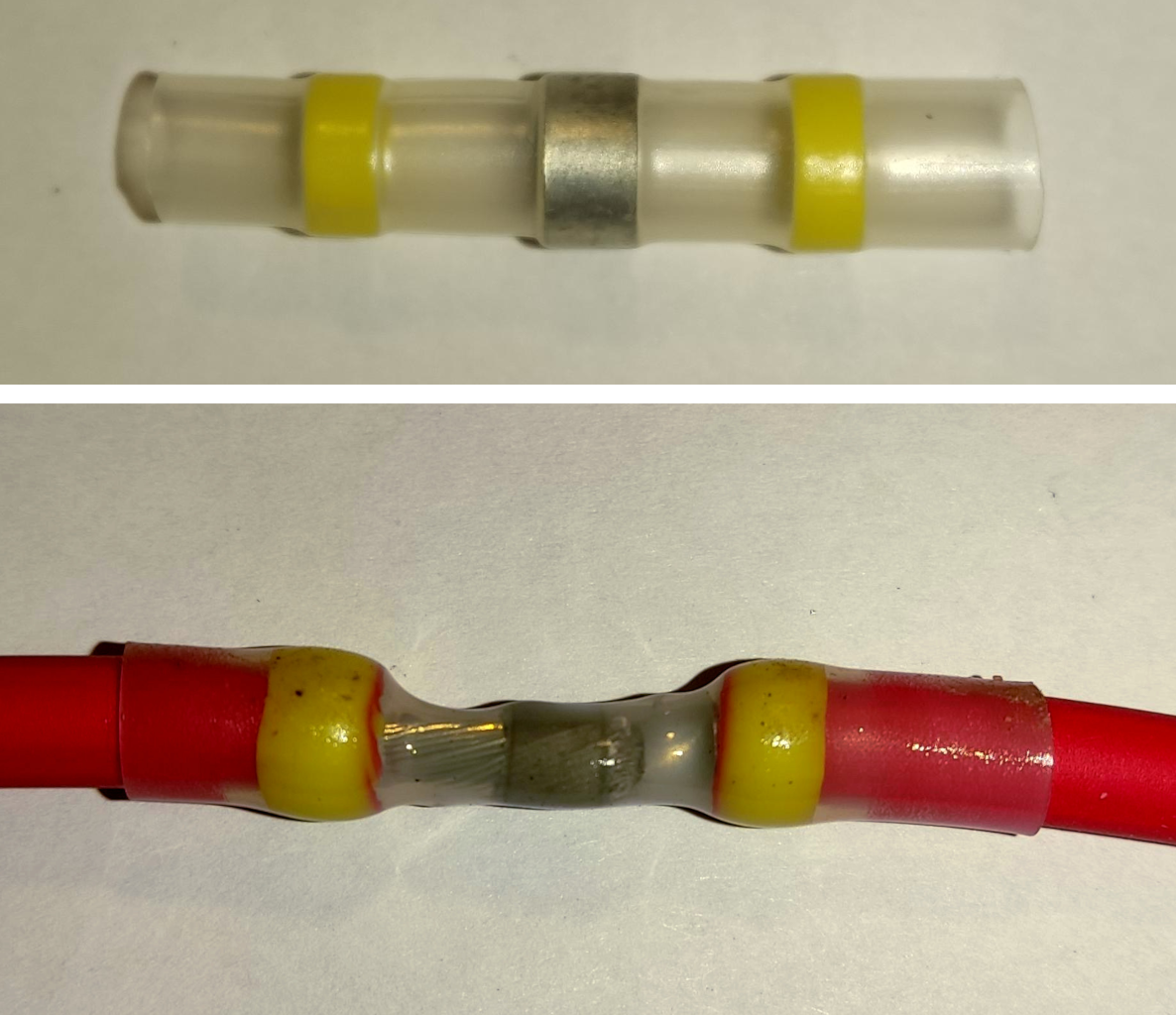
I cut out the damaged section, crimped the new connector, heated the shrink until the adhesive flowed, and sealed it properly.
Problem solved!
The lesson isn’t “dealerships are incompetent.” It’s worse than that.
Dealerships are structurally incapable of listening to customers who already done the diagnostic work. Their process optimizes for scripted workflows and minimum viable fixes, not epistemic truth.
If you want the sickly sweet customer care experience — waiting rooms, free coffee, and plausible deniability — dealerships are excellent.
If you want problems actually solved, you’re better off with a small independent shop, or failing that, yourself.